Why "Just One Bite" Backfires With Picky Eaters (and What to Do Instead)
By Lindsey Wood, MOT, OTR/L
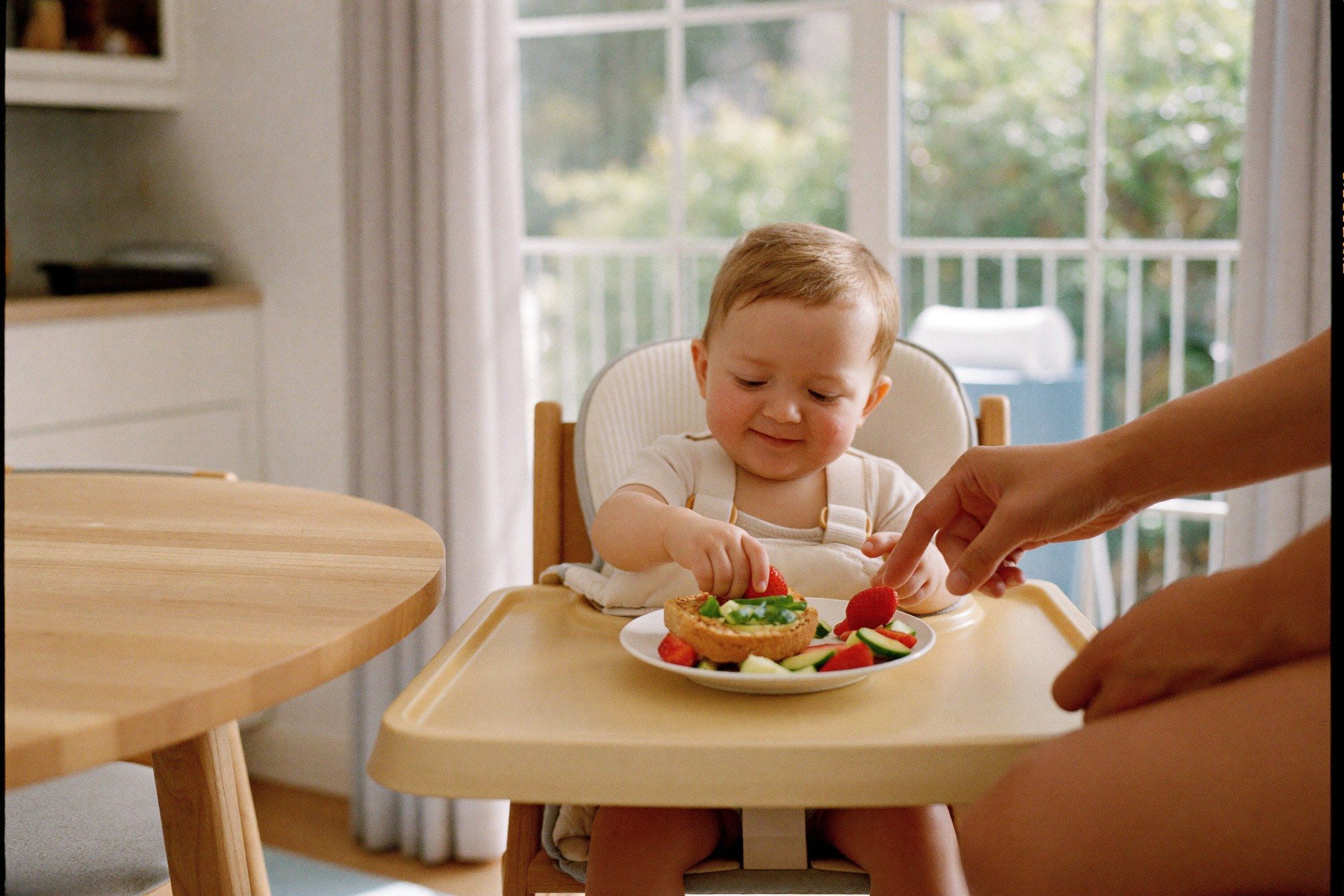
If dinner has turned into a nightly standoff — the same three safe foods, a lonely green bean pushed to the edge of the plate, and a "just one bite" that ends in tears — you are not doing anything wrong. And your child isn't being difficult on purpose.
As a pediatric occupational therapist and feeding specialist in San Diego, this is the conversation I have with families every single week. So let's talk about why the most common advice — pressure — almost always backfires, and what actually helps.
Why "just one bite" backfires
Pressure and eating don't mix. When we push, bribe, or negotiate ("two more bites and you get dessert"), we accidentally raise the stress at the table. And a stressed, dysregulated body is in fight-or-flight — the exact opposite of the calm, curious state a child needs to explore something new.
In the short term, pressure might win you a bite. But over time it teaches your child that mealtimes are a battleground, that new foods are threats, and that their "no" has to get louder to be heard. That's how a short list of safe foods slowly gets even shorter.
It starts with regulation, not the food
Here's the reframe that changes everything: a regulated child tries new foods; a dysregulated child defends the ones they trust. Before we ever worry about broccoli, we make the table feel safe. Calm body, calm table, then curiosity — in that order.
5 no-pressure strategies to try this week
1. Start with a "food cousin." Instead of something brand-new, offer a food related to one they already love — same color, shape, or crunch. If they love plain toast, try a lightly toasted waffle. Familiar feels safe.
2. Count exploration as a win. Touching, smelling, licking, or just tolerating a food on the plate is real progress. Tasting comes later. Every step toward a food counts, even the tiny ones.
3. Keep safe foods safe. Always include at least one food you know they'll eat. Don't hide or sneak new foods into trusted ones — it breaks the trust that makes exploring possible.
4. Serve it family-style and stay neutral. Put new foods in the middle and let your child serve themselves. If they try something, skip the big reaction — a calm "you tried it!" keeps the pressure off.
5. Protect connection over consumption. A meal where everyone felt calm and connected is a successful meal, even if the new food went untouched. Feeding is a long game.
When to reach out for help
Some picky eating is typical toddler behavior. But if your child has a shrinking list of foods, gags or panics around new textures, eats fewer than about 20 foods, or mealtimes are a daily source of stress, it may be more than "picky" — and feeding therapy can help. We offer in-home and virtual pediatric feeding therapy across San Diego County, and a free consult is a no-pressure place to start.
Want weekly support at home?
If you're not ready for 1:1 therapy but you're tired of guessing, The Regulated Table is my monthly membership for parents of picky eaters ages 2–8 — one new food a week, the exact no-pressure script to serve it, and a live Q&A where you can ask me anything. It's the support I give my therapy families, without the waitlist.
You don't have to white-knuckle another dinner alone. Start small, stay calm, and let curiosity do the rest. 💛