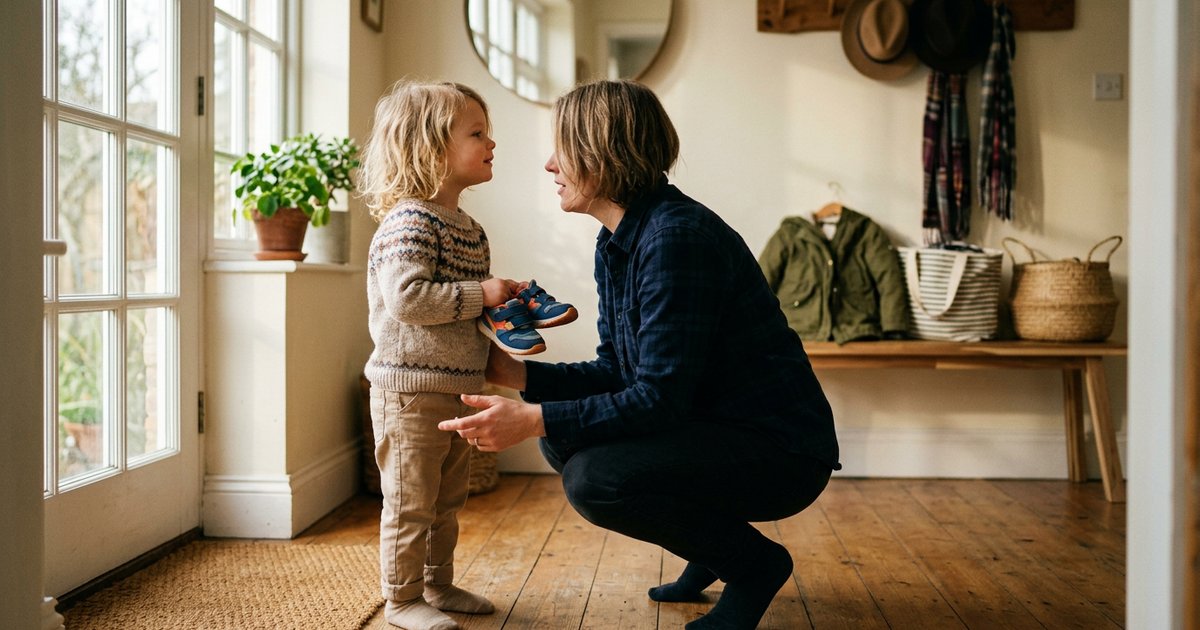
A late talker is a young child between about 18 months and 2½ years who uses fewer words than typical for their age, while showing normal development in motor skills, social interaction, play, and language comprehension. These children understand others, follow simple directions, make eye contact, and want to communicate — they just haven't started using words yet. That's different from a broader language or developmental delay, which affects multiple areas.
Milestones speech-language pathologists watch for
By 12 months: 1–2 words and responding to their name. By 18 months: 10–20 words and one-step directions. By age 2: 50+ words and two-word combinations. By age 3: 200+ words in simple sentences. Significant delays in these areas are worth an evaluation.
Why “wait and see” isn't the whole story
Many late talkers do catch up on their own, especially those with strong comprehension and social skills. But the 18-month-to-3-year window is a critical period for language, when early support is most effective. Getting an evaluation isn't panicking — it's proactive parenting.
Warning signs that call for assessment: fewer than 50 words by age 2, no two-word combinations, loss of skills, unclear speech, poor comprehension, minimal progress, extreme frustration, or no pointing/gesturing by 14 months.
Good therapy for late talkers emphasizes play, not drills — responsive interaction, language modeling in natural contexts, and parent coaching, because real progress happens during everyday interactions at home. In-home speech therapy lets children communicate naturally in familiar surroundings with their own toys and routines.
Getting an evaluation doesn't mean something is seriously wrong. It means you're paying attention and want to understand what's going on — one of the most loving things a parent can do. Eat. Play. Love. Occupational Therapy provides pediatric speech therapy across San Diego and Riverside County, in-home and via telehealth, and works with major insurers and regional centers.